Sapona Plastics, LLC
  • Home
  • About
    • Team
    • Mission
    • Quality Policy
    • Sustainability
    • Safety Policy
      • Safety Rules
    • Environmental Policy
      • Environmental Rules
      • Emergency Preparedness
    • Lean Policy
    • Community
    • Standard Terms and Conditons
    • Suppliers
      • Supplier Responsibility
  • Products
    • Brushes
    • Scrubbers
    • Buckets
  • Services
    • Injection Molding
    • Assembly
    • Decorating
    • Tooling
  • Contact
  • News
  • Job App
  • Worker Relations
    • Environmental Awareness
  • Home
  • About
    • Team
    • Mission
    • Quality Policy
    • Sustainability
    • Safety Policy
      • Safety Rules
    • Environmental Policy
      • Environmental Rules
      • Emergency Preparedness
    • Lean Policy
    • Community
    • Standard Terms and Conditons
    • Suppliers
      • Supplier Responsibility
  • Products
    • Brushes
    • Scrubbers
    • Buckets
  • Services
    • Injection Molding
    • Assembly
    • Decorating
    • Tooling
  • Contact
  • News
  • Job App
  • Worker Relations
    • Environmental Awareness
Search

Environmental  Policy

​

/

  • 1
  • 2
  • 3
  • 4
  • 5
The greatest threat to our planet is the belief that someone else will save it.​

Robert Swan, Author

/

  • 1
  • 2
  • 3
  • 4
  • 5

/

  • 1
  • 2
  • 3
  • 4
  • 5
Often when you think you're at the end of something, you're at the beginning of something else.

Fred Rogers, TV Personality

/

  • 1
  • 2
  • 3
  • 4
  • 5

/

  • 1
  • 2
  • 3
  • 4
  • 5
There is no such thing as 'away.'  When we throw anything away it must go somewhere.

Annie Leonard, Proponent of Sustainability

/

  • 1
  • 2
  • 3
  • 4
  • 5

/

  • 1
  • 2
  • 3
  • 4
  • 5
When you put the whole picture together, recycling is the right thing to do.

Pam Shoemaker, Author

/

  • 1
  • 2
  • 3
  • 4
  • 5

/

  • 1
  • 2
  • 3
  • 4
  • 5
Litter is not an issue of type of debris, but one of personal responsibility. We ALL share in the responsibility to prevent litter – stopping debris before it reaches our stormwater drains where it can drift to our oceans. Protect our oceans and we protect ourselves.

Jean-Michel Cousteau

/

  • 1
  • 2
  • 3
  • 4
  • 5

/

  • 1
  • 2
  • 3
  • 4
  • 5
Plastic is an essential contributor to our nation’s present and future. These modern materials enable fuel-efficient cars, low-carbon energy, clean water delivery and  energy-efficient homes… all contributing to a more resilient and sustainable national infrastructure.   PlasticMakers.org

/

  • 1
  • 2
  • 3
  • 4
  • 5
  • 0
  • 1
  • 2
  • 3
  • 4
  • 5
Sapona Plastics maintains a system of management that is globally recognized and certified to the ISO14001 standard.  Obtaining this certification required us to modify over 30 existing processes and create several new ones.  This means for example that we have processes for hazardous waste.  We have always labeled drums of used oil but we didn't always have good containment to prevent propagation of a spill.  We didn't address used oil that might be in a soaked cleaning rag.  We didn't have a list of items that are banned by state law from the waste dumpter and landfill including wooden pallets, recyclable bottles and cans, or universal waste like used lamps and electronic waste.  We followed the rules but didn't have systems, training, and audits to ensure we followed the rules.  Now, with ISO14001 certification, we have proven systems for compliance. We have integrated these new requirements into our existing quality system and have addressed emergency management and safety at the same time.

Sapona Plastics has obtained the ISO14001 certification to give confidence to the public and our customers that we are in compliance with many environmental aspects of our manufacturing operation.  We also want to understand the impact of plastics in general, address the risks and highlight the positive advantages to the environment we all live in.  Plastics are lightweight and energy efficient reducing fuel consumption in transportation compared to heavier materials like metal or glass.  Plastics extend product life reducing the need for frequent replacements.  Many plastics require less energy to produce than alternatives.

We want to dispel myths about plastics.  Ocean plastic for example, comes mostly from improper waste management and irresponsible disposal, particularly in certain geographic regions.  Only polypropylene and polyethlene float so that eliminates about 20% of potential plastics pollution floating in the ocean. Many paper products are coated with plastic so switching to paper is not necessarily an improvement.  Plastic bags weigh a lot less than paper bags and use less energy to produce so plastic bags have a total carbon footprint is that is lower than paper bags.  Plastics account for a small percentage of global greenhouse gas emissions compared to sectors like energy, transportation and livestock.  Plastics only consume 6% of world oil resources.  Even some single-use plastic products have environmental advantages in addition to the convenience.  Plastic packaging can prevent contamination, extend shelf life and reduce food waste saving resources and emissions. At Sapona we recycle plastic scrap internally by grinding and remelting.  When this is not possible we outsource the recycling process to specialist that have established outlets for recycled plastics.

Microplastics come mostly from wear and tear on tires and textiles, not injection molded plastics.  Microplastics do pose documented health risks to both humans and aquatic life—but the exact magnitude of those risks remains under active study. Responsible design and disposal reduces this risk of generating microplastics significantly.  Microbeads have been banned in many countries from personal care products.  Paints and coatings can generate microplastics.  Plastic pellets in the environment is a problem.  We make every attempt to keep pellets from leaving our facilities with best practices for material handling, storage and cleaning.  Fishing equipment lines, nets and ropes degrade in marine environments.  Vehicle brake dust generates microplastics.  In your home, microplastics in dust can be generated from synthetic carpets, furniture and clothing.  Plastics including bottles, bags and packaging, do break down due to UV exposure and mechancal stress.  Understanding the sources of pollution and considering the life cycle of products at the design stage can prevent much of the plastic pollution problem.

PVC: Sapona specializes in molding pvc (polyvinyl chloride) and pvc blends. Vinyl chloride monomer is the main building block of pvc and is a known human carcinogen leading to liver cancer and neurological harm.  PVC manaufacturing consumes high amounts of energy and fossil fuels (ethylene and chlorine), substantially contributing to greenhouse gas emissions.  Chlorine, however, is used to disinfect drinking water, but may come from processes involving mercury, asbestos or PFAS posing additional environmental and worker health risk.  PVC relies on additives such as phthalates and heavy metals like lead and cadmium to increase flexibility and stability.  These additives can leach into air, water and food prompting hormone disruptions and development problems. When PVC is burned or decomposes it releases hydrochloric acid (HCI) and dioxins which are amont the most potent and persistent environmental toxins contributing to acid rain, respiratory problems, and ecosystem damage.  PVC has a low recycling rate.  PVC does not biodegrade, accumulating in landfills.  PVC is a source of persistant organic pollutants and pose risks across the food chain over long periods.  As much as possible, Sapona promotes not using PVC and pursues additive-free formulations and blends that reduce the risks.  We make sure not to overheat PVC.  We make sure we recycle as much PVC as possible. We have specific procedures for processing PVC and have tested our air quality verifying that we are not near maximum exposure limits for vinyl chloride.  PVC is widely used in medical applications and has been through fluid and blood contact testing to ensure minimal health and safety risks.  Because PVC is somewhat corrosive, molds must be made of harder stainless steel instead of tool steel.  PVC is highly resistant to corrosion, chemicals, acids, bases, salts, uv and moisture making it ideal for harsh environments and piping.  PVC is affordable to produce and process offering excellent performance at a lower cost compared to metals or glass and some other plastics.  PVC is widely used in pipes, fittings, flooring, auto parts, electrical insulation and packaging.  PVC is naturally flame-retardant due to its chlorine content making it safer for electrical and building applcations.  PVC is generally one of the most cost-effective plastics and its higher density plays a big role in that comparison.  Denser than other most other plastics, PVCs cost per volume can be higher, however its strength, rigidity and chemical resistance often means less material is needed for certain applications.

Other significant aspects of our manufacturing regarding the environment include:
Use of wood pallets:  We use about 2000 wood pallets per month, many of the pallets we purchase are from recycled hardwood.  None of the pallets we purchase have added chemicals.  We recycle pallets that we receive, including broken and unusable pallets.
Use of water: We treat process water which is mostly recirculated, but tower water is evaporated.  Very little water goes to waste effluent except some bleed off to maintain ph.  We spend about $1300 per month on water and wastewater treatment.
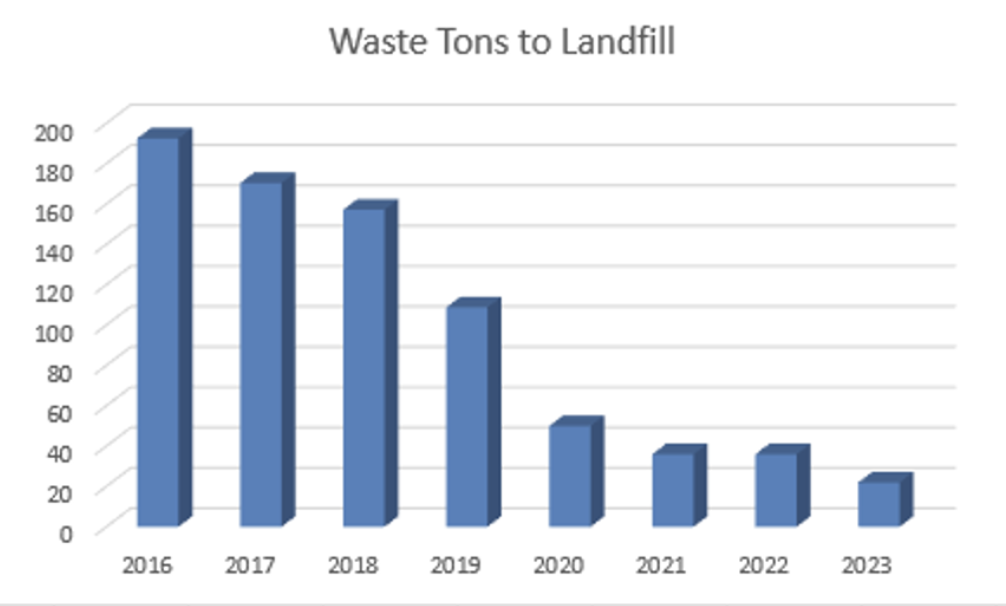
Waste to landfill: We try to reduce, reuse, repurpose and recycle to avoid waste to landfill. Nearly 90% of our waste does not go to the landfill.
Use of oil and chemicals: We use some small amounts of various chemicals, mostly for cleaning.  Our largest chemical aside from plastic, is hydraulic oil. Monthly fees for handling oil are minimal.
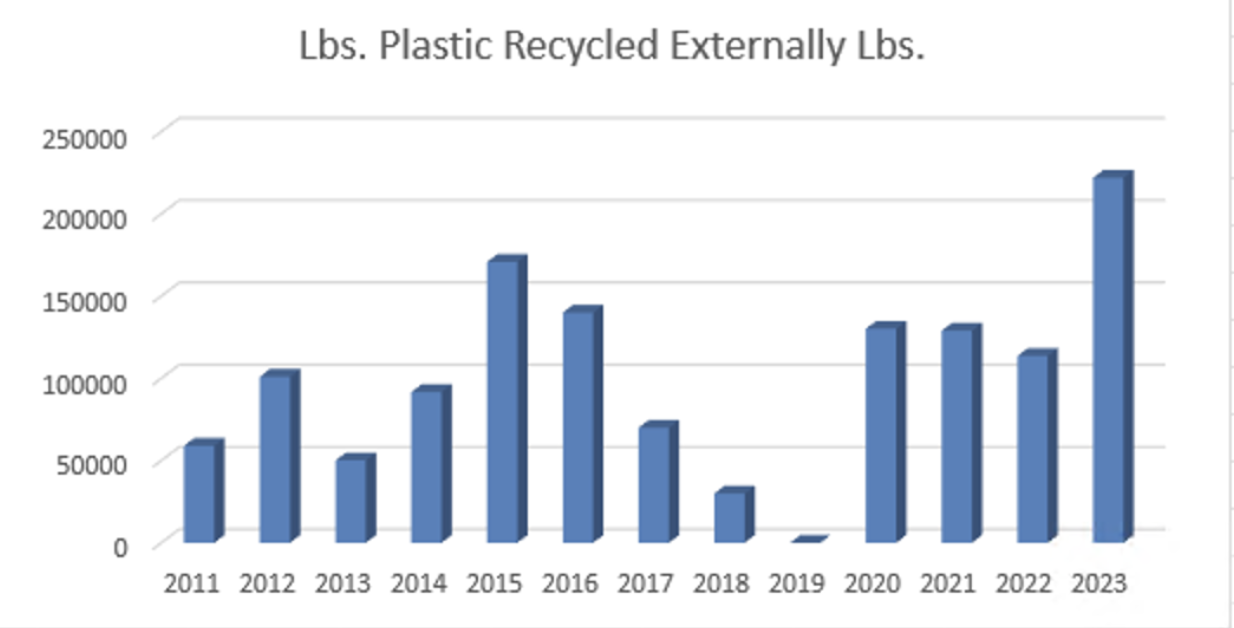
Generation of plastic waste: We recycle internally and externally.  We do not make any of the most common plastic pollution items like cigarette butts or plastic bottles or bags.  Less than 13% of total pounds we produce are recycled.  We avoid sending plastic waste to the landfill.
Use of land: We are in a rural area so there is plenty of natural area land unused surrounding us.  Our sites are landscaped.  Our sites are gently sloping, far from water sources, and well maintained.  We donated five acres and a building to the community, the Historic Lucks Cannery.  In total we occupy 19.1 acres with 28% undeveloped.
Transportation of goods: Plastics are lightweight compared to competing products and cost less to transport.  Most customers ship within 150 mile radius.  UPS Freight has liquefied natural gas-fueled tractors in its fleet.  We ship about 360,000 pounds per month.
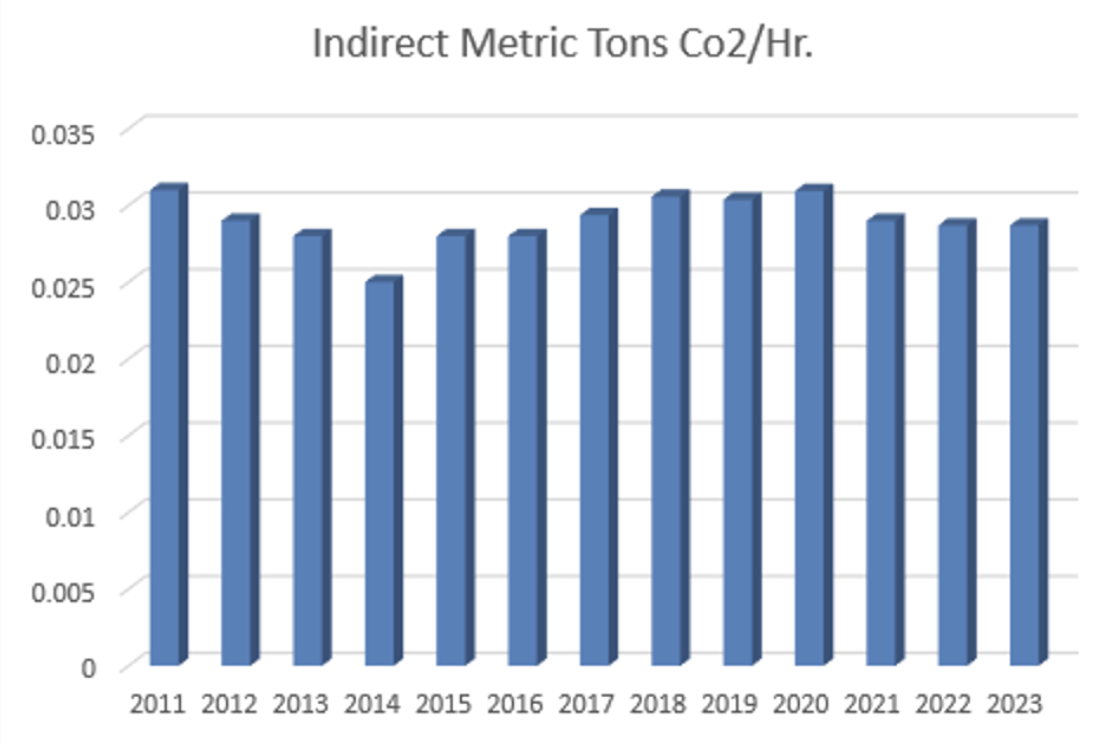
Use of Energy: Operating equipment, air compressors, air conditioners and building lighting uses energy.  Energy cost is about 2.1% of sales.  Our use of electrical energy is our main contributor to CO2.  We expect our CO2 emissions per operating hour to be less than 0.031 Tons per production hour.
Use of Plastics: Plastics are refined from oil by products, a non-renewable source.  Only 1% or less of oil goes into plastics.  Approximately 6% of world oil is used for plastics.  This is expected to grow as other uses of oil decline.  Sapona used approximately 4.4 Million pounds in 2025.

Some information above provided by copilot AI search of the internet.  D. Lail, 12/30/25.
Quality Environmental Safety Policy

We maintain effective systems and continually improve to assure total satisfaction and compliance.

Measurable Objectives
1. On Time Delivery
2. Favorable Customer Satisfaction 
3. Low Defects Per Million 
4. High Efficiency
5. Optimal Utilization
6. On Time Supplier Delivery
7. Clean and Safe Workplace
8. Training Hours
9. Minimize Trash to Landfill
10. Efficient Recycling
11. Efficient Energy Usage

Sapona Plastics maintains an integrated quality/environmental/safety management system that meets all requirements and in compliance with ISO 9000:2015, ISO 14001:2015, and ISO45001.

Sapona Plastics is committed to preventing pollution and reducing any adverse environmental impacts from our manufacturing activities, products, and services. We will continually improve the EHS system to enhance environmental and safety performance. 

We are dedicated to going beyond mere compliance regarding relevant health, safety and environmental laws, regulations and requirements.  We will conduct all business activities in a responsible manner free from recognized hazards and fulfill all compliance obligations.  We are committed to consultation and participation of workers. 

Goals
12 month average pounds of waste to landfill less than 4% of pounds of product shipped.
12 month average pounds shipped to recycling less than 12% of pounds of product shipped.
12 month average energy cost as a percent of sales produced less than 4%

Expected outcomes
Scope 2 CO2 emissions resulting primarily from energy consumption less than 0.031 Tons per operating hour.

Environmental and Sustainability programs and records
In 2019 Sapona produced Recycled Grill Brush Handles - Plastic handle used reprocessed/recycled PP, over 350,000 lbs per year of recycled plastic.
Most scrap produced is ground and recycled back into the product unless limited by specification.
Our CEO, Jack Lail, maintains the grounds and keeps the landscaping in good shape.
Leadership - Dean Lail, our president, has been a certified Drinking Water Treatment Facility Operator and certified Distribution System Operator, responsible for the Drinking Water system at Sapona.
Cans and bottles are recycled by our scrap recycler. Receptacles are in the break room.
All Electric Presses - Sapona Plastics has 10 all-electric presses which save over 25% electricity compared to traditional hydraulic presses. Future presses and auxilliary equipment will be energy saving. 
Our electricity usage in 2009 resulted in an estimated equivalent pollution count as follows:
6,548 pounds of nitrogen oxides
23,955 pounds of sulfur dioxide
4,616,034 pounds of carbon dioxide
​


Picture
Picture
EPA Clean Energy
Lighting Survey - Energy Management Program at NCSU in conjunction with Randolph Electric prepared a survey report of lighting estimating a possible annual savings of $24,000 or 47KW by changing lighting fixtures, lamps and installing occupancy sensors. For every KWh saved, 1.24 pounds of CO2 is not released into the atomosphere. The recommendations were implemented.  
In January 2011, Southpoint Solutions replaced all lighting and fixtures in the Sapona Plastics building saving an estimated 345,000 kWh per year and reducing demand by 48KW.  72 existing Metal Halide light fixtures were replaced with CM 4 lamp T8 fixtures from Orion Energy Systems.

Office areas are collecting and recycling paper routinely.  After 6 years we actually saved $72,000 and replaced all lights with LED in 2017.
In 2011, Sapona formalized a contract with Carolina Container with Sustainable Forestry Initiative certified sourcing.   The contract was renewed in 2015 www.sfiprogram.org

Picture
Asheboro Recycling, Pelican and/or Sonoco - All clean scrap plastic and cardboard generated is recycled. Obsoleted inventory of metal equipment and components have been recycled.
Sapona is embarking on our commitment to Zero Pellet Loss to the environment in 2012.  ​​

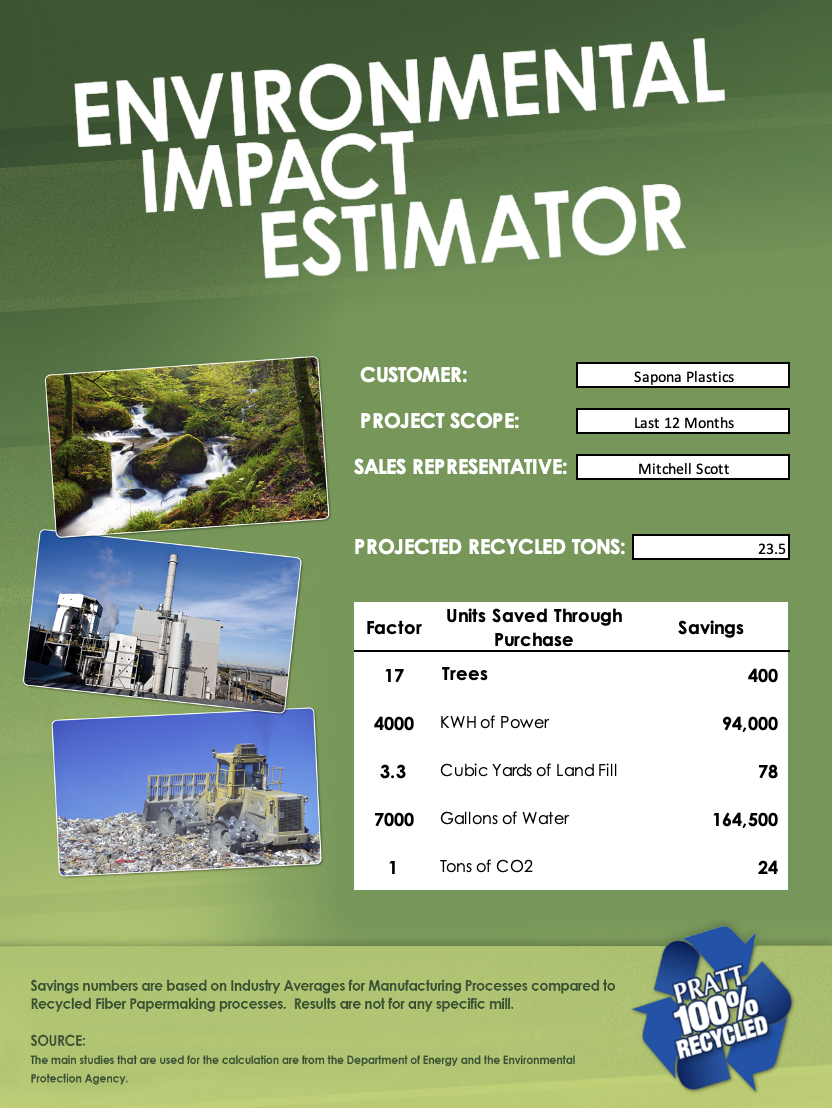
Sonoco Recycled Corrugate 2021

Picture

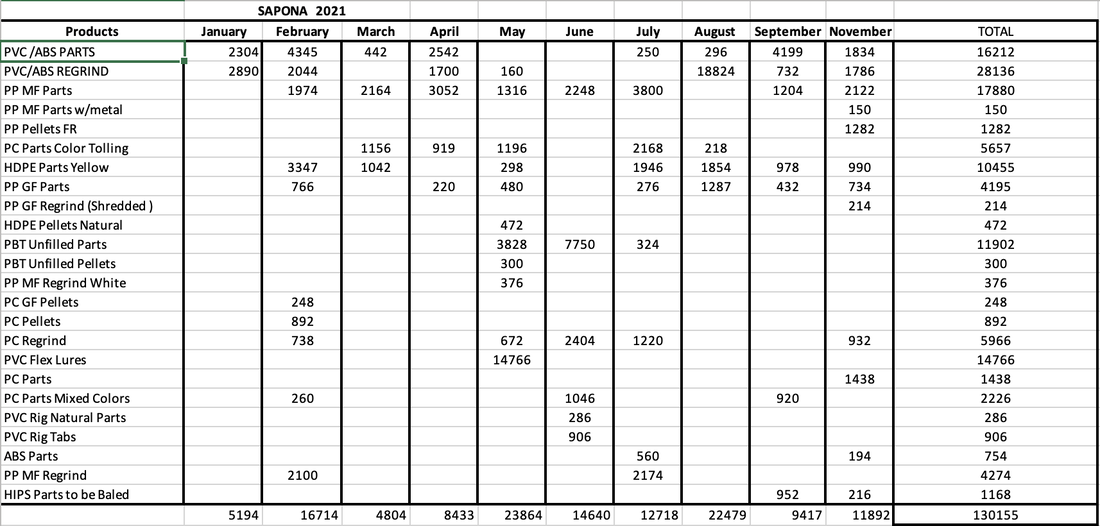
MIR Plastic recycled in 2021 (Lbs.)

Picture
Picture
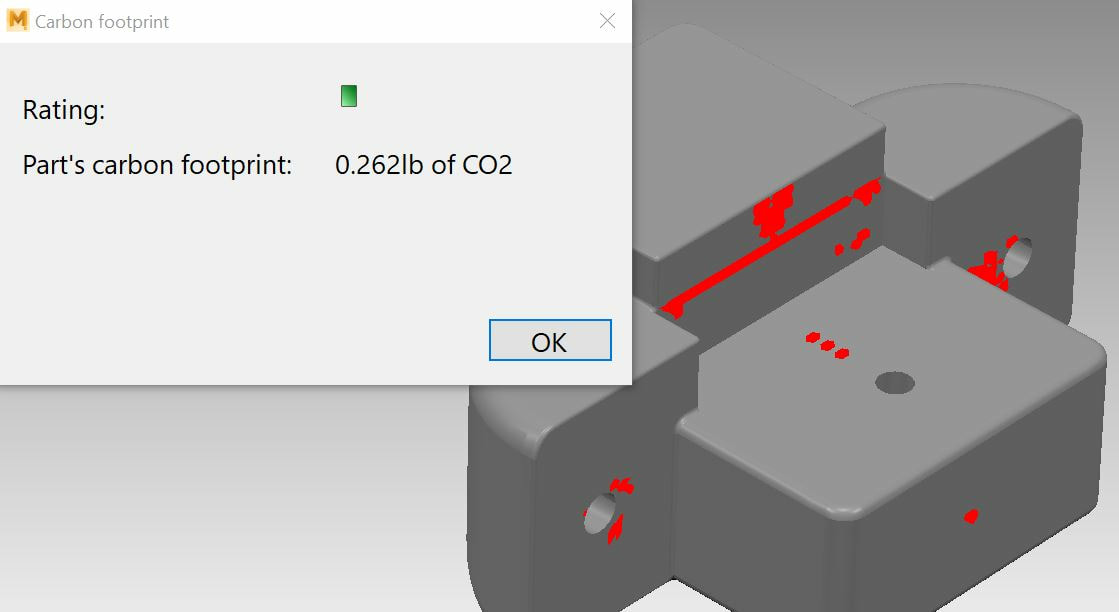
Our MoldFlow software provides simulation information on the carbon footprint, embodied water, and embodied energy of a plastic part.  You can learn more about embodied water at the following link:
http://environmentvictoria.org.au/wp-content/uploads/2016/06/embodied-water.pdf
Picture
Picture
Can plastic lip balm tubes be recycled?Unfortunately, lip balm tubes are not curbside recyclable because they are small enough to clog up the machinery and are typically made of a mix of plastics. 
Links of interest related to environmental issues:

Picture
Picture
Picture
Picture
Picture
Remove 1 Lb. of plastic from the ocean by buying a bracelet.
Picture
Picture
Picture
Picture
Picture
Picture
Picture
Picture
Picture

Picture
Call Now:  336-873-8700
Copyright 2025 Sapona Plastics, LLC
  • Home
  • About
    • Team
    • Mission
    • Quality Policy
    • Sustainability
    • Safety Policy
      • Safety Rules
    • Environmental Policy
      • Environmental Rules
      • Emergency Preparedness
    • Lean Policy
    • Community
    • Standard Terms and Conditons
    • Suppliers
      • Supplier Responsibility
  • Products
    • Brushes
    • Scrubbers
    • Buckets
  • Services
    • Injection Molding
    • Assembly
    • Decorating
    • Tooling
  • Contact
  • News
  • Job App
  • Worker Relations
    • Environmental Awareness